Contents
- Where the casino sits inside the resort
- Two licences, one regulator
- Inside the gaming floor: baccarat sets the tone
- Live tables, poker room and high-limit play
- Entry rules, levies and responsible gambling
- Dress, etiquette and practical tips
- When to visit and how the casino fits into your stay
- Frequently asked questions
Marina Bay Sands runs one of Singapore’s two licensed casinos, with a 24-hour gaming floor beneath its three hotel towers. Anyone 21 or over can play: foreign visitors enter free with a passport, while Singapore citizens and permanent residents pay a S$150 daily levy or a S$3,000 annual pass.
Where the casino sits inside the resort
The casino occupies the podium levels under the three Marina Bay Sands towers and the SkyPark, a few escalators down from the famous rooftop infinity pool. Most visitors arrive through The Shoppes at Marina Bay Sands, so the walk from air-conditioned boutiques into the gaming floor feels more like a gentle transition than a grand reveal.
Once inside, the space is deliberately enclosed: low ceilings, patterned carpet, no windows or clocks, and a constant hum from the tables and machines. The casino shares these levels with back-of-house corridors and access to the convention centre, making it feel tightly integrated rather than separated from the rest of the resort.
The broader property was designed by architect Moshe Safdie and opened in April 2010 as an integrated resort. Hotel, retail, convention space, the ArtScience Museum, theatres and the SkyPark all feed traffic towards the casino without forcing anyone to pass the gaming floor if they prefer not to.
Two licences, one regulator
Singapore keeps its casino market deliberately small. The Casino Control Act 2006 created just two integrated-resort licences: one for Marina Bay Sands in the Downtown Core and another for Resorts World Sentosa on Sentosa Island. No third licence has been issued, and both existing licences have been extended in exchange for new investment.
Marina Bay Sands is operated by Marina Bay Sands Pte Ltd, a subsidiary of Las Vegas Sands. When the parent company agreed to sell its Las Vegas Strip properties in 2021, the Singapore resort stayed in the portfolio; it remains one of the group’s flagship assets.
Oversight of casinos now sits with the Gambling Regulatory Authority, which took over from the former Casino Regulatory Authority in 2022. The regulator approves casino operations, audits compliance and runs social safeguards such as exclusion schemes for people at risk of gambling harm.
For players this has practical consequences. Identity checks at the doors are routine, surveillance is obvious once you start looking for cameras, and large buy-ins or cash-outs can trigger questions about the source of funds. Staff are trained to treat these checks as normal, so it is best to treat them the same way.
Inside the gaming floor: baccarat sets the tone
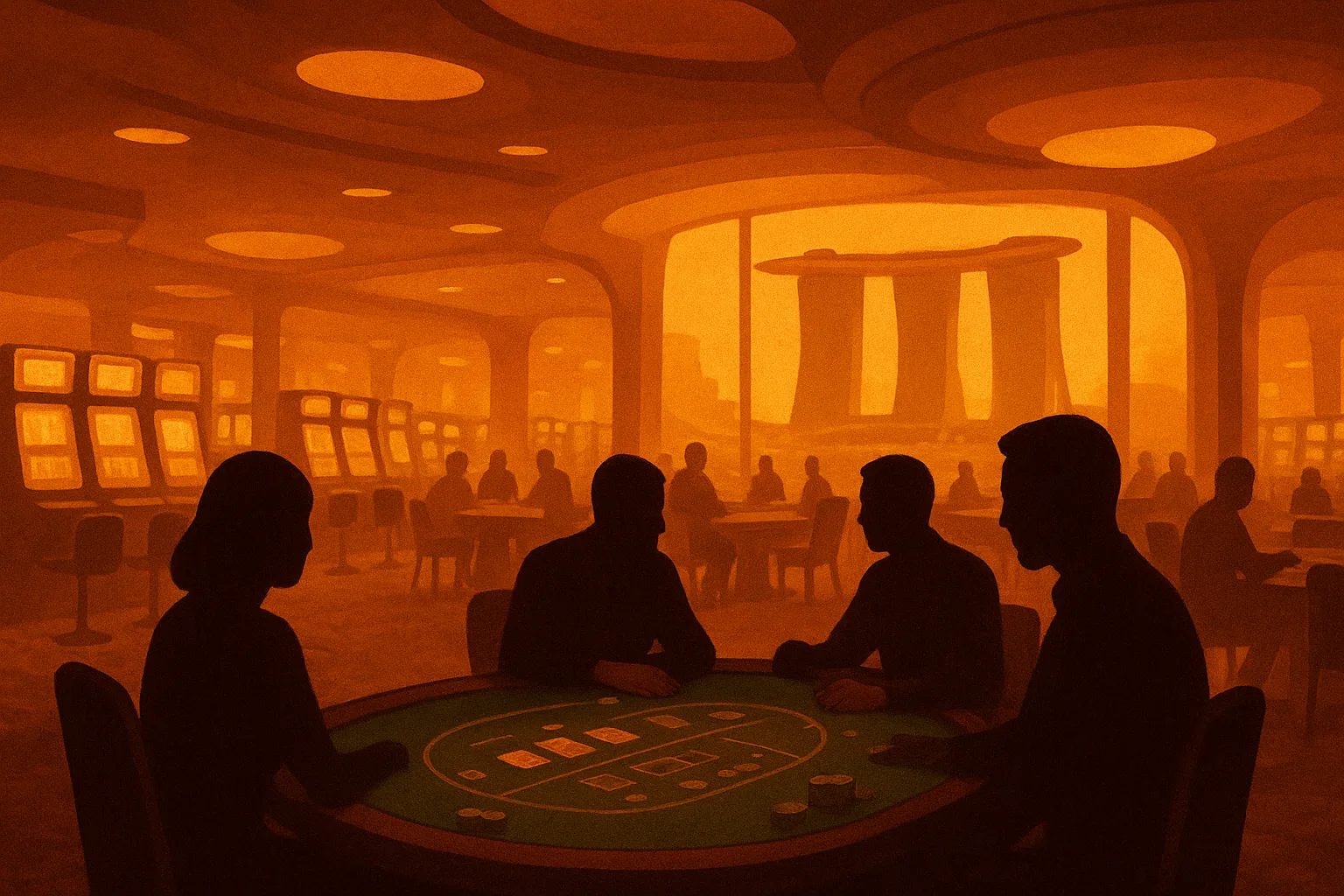
You reach the gaming floor through a bag check and ID control, and then the change in atmosphere is immediate. The main hall is a dense grid of tables and slots, with clusters of players gathered around baccarat pits and the sound of chips stacking faster than the air conditioning.
Baccarat drives the business. The open floor carries long banks of mid-stakes baccarat tables, while higher limits sit behind doors marked for premium play, including the Paiza-branded salons for the resort’s top-tier programme. Blackjack, roulette and Sic Bo fill out the classic mix, with occasional Asian variants such as Pai Gow and specialty poker-style games.
Minimum bets on the mass floor are usually modest by international standards during the day and climb in the evenings, on weekends and around major events such as Chinese New Year or the Formula 1 Singapore Grand Prix. High-limit tables, especially in the private salons, expect a significantly larger bankroll.
Alongside the felt you will find well over a thousand slot machines and electronic table game terminals. Some are arranged in stadium-style layouts where a single live dealer runs roulette or baccarat for dozens of screens at once. If you know the scale of the Venetian Macao’s gaming floor, the balance of tables and machines at Marina Bay Sands will feel familiar, even if Singapore leans slightly more on electronic terminals for local players. That comparison is covered in more depth in the guide to the Venetian Macao’s canals, slots and poker room.
Live tables, poker room and high-limit play
On the floor, “live tables” means games dealt by a human rather than a machine. Dealers typically work in English and Mandarin, switching languages fluently to suit the table, and all betting uses Singapore dollars. Each table displays its minimum and maximum limits on a small sign; if you are unsure, ask the dealer or floor supervisor before you buy in.
The dedicated poker room sits apart from the main hall, which gives it a different rhythm. Cash game tables usually run Texas Hold’em, with Omaha appearing on some schedules, and tournaments are slotted around major events and busy weekends. The timetable and blind structures change regularly, so serious players should check the current schedule on the official site or call the room before committing to a specific date.
High-limit play centres on the private salons and reserved areas just off the main floor. These rooms offer higher table minimums, more personalised service and a quieter environment. Access is typically arranged through a casino host or by invitation via the Paiza programme. Hosts can explain minimums, betting currency, credit arrangements and any additional rules before you arrive.
If you are weighing up the feel of a live room like this against a livestreamed table online, the site’s land-based vs online casinos guide sets out how pace, social interaction and betting rhythm differ in practice.
Entry rules, levies and responsible gambling
The minimum age to enter the casino is 21. Everyone, including hotel guests, passes through security and ID checks at the entrances. Foreign visitors should bring their passports; Singapore citizens and permanent residents must present a government-issued ID linked to their levy or pass.
Singapore uses an entry levy to discourage casual or impulsive play by residents. Citizens and permanent residents who want to enter a casino must either pay a S$150 levy for each consecutive 24-hour period of access or purchase a S$3,000 annual entry pass. Foreign visitors pay no levy, even if they live and work in Singapore.
Singapore citizens and permanent residents must pay a casino entry levy or hold an annual pass, while tourists aged 21 and over walk in free with a passport.
The Gambling Regulatory Authority operates several exclusion schemes. Residents can apply to exclude themselves from casinos permanently or for a set period, and family members can request an exclusion order for relatives who are at risk. Casino staff check these registers at entry and will refuse admission to anyone on an active order.
Singapore also restricts unlicensed online casino play. For residents, a legal live table experience generally means visiting Marina Bay Sands or Resorts World Sentosa, which helps explain how central the physical gaming floor is to the country’s gambling policy.
Dress, etiquette and practical tips
Dress expectations sit comfortably in the smart-casual band. Shirts, dresses, closed shoes and neat trousers or skirts are all fine; beachwear, singlets, gym shorts and flip-flops can get you turned away, especially in the evenings and in premium areas. If you are coming straight from the pool or a sightseeing walk, a quick change before you head to the floor is a good idea.
The casino operates 24 hours a day, but the mood shifts with the clock. Weekday mornings and early afternoons are calmer, with more space at the tables and dealers who have time to walk new players through basic rules. Evenings, weekends and public holidays bring heavier crowds and higher minimums.
Chip purchases happen at the tables or at the cashier cages. Larger buy-ins, especially in cash, can trigger additional ID checks and source-of-funds questions, which is standard under anti-money-laundering rules. ATMs sit outside the casino, and you cannot generally pay for chips directly at the table with a credit card.
Photography is restricted; cameras and phones should stay away from the felt. Staff will usually give a polite warning first, but persistent photography can lead to a reminder from security or an invitation to step outside.
Etiquette is recognisable to anyone who has played in Las Vegas, Macau or Monaco. Wait for the dealer’s hand signals before placing or removing bets, avoid coaching strangers mid-hand, and keep drinks away from the chip racks. Tipping is discretionary rather than expected, and small gratuities for standout service are enough.
When to visit and how the casino fits into your stay
Marina Bay Sands sits on the edge of Marina Bay, directly connected to the central business district. The onsite hotel is the obvious choice if you want to be a lift ride away from the floor, but nearby hotels in the Marina Bay and Downtown Core districts keep you within a short taxi or MRT hop.
Seasonality in Singapore is less about the weather than events. Chinese New Year, long weekends and major conferences flood the floor with visitors, while the Formula 1 Singapore Grand Prix turns the surrounding streets into a circuit and sends race fans into the casino after the chequered flag. If you prefer quieter play, aim for midweek dates outside those peaks.
One of the resort’s strengths is how easy it is to mix gaming with everything else. You can watch the skyline from the SkyPark, see a show at the Sands Theatre or visit the ArtScience Museum before heading downstairs for a short session at the tables. Players who enjoy high-limit environments often compare Marina Bay Sands’ premium rooms with those at Bellagio in Las Vegas; that perspective is explored further in the profile of Bellagio’s history and high-limit tables.
More than anything, the casino is designed to be part of a wider stay rather than the whole story. Set a budget, decide how much time the floor should get, and treat the surrounding restaurants, bars and city views as equal parts of the trip.
Frequently asked questions
Can I re-enter the casino multiple times on one levy?
The daily levy for Singapore citizens and permanent residents covers a consecutive 24-hour period from the first time they enter. Within that window, residents can leave and re-enter the same casino without paying again, as long as they keep their entry wristband or confirmation.
Is smoking allowed inside the casino?
Singapore’s rules on indoor smoking are strict. Dedicated smoking rooms and areas may exist on or near the floor, but the main gaming areas are non-smoking. Expect to step away from the tables to smoke and to follow all posted signs and staff instructions.
Can I bring children to Marina Bay Sands if I plan to play?
Children are allowed in most parts of the resort, including the hotel, mall and attractions, but they cannot enter the casino. If you are travelling with family, plan childcare or shared schedules so that under-21s are with another adult while you are on the floor.
Are ATMs and currency exchange available nearby?
ATMs and currency exchange counters sit in The Shoppes and other public areas of the resort rather than inside the gaming floor. Withdraw cash or change currency before you enter, and keep in mind that large cash transactions inside the casino may involve additional verification.
How long should I allow for a first visit to the casino?
For a first-timer who also wants to see the SkyPark or catch a show, two to three hours on the gaming floor is usually enough. That gives you time to find a comfortable table, play at an unhurried pace and still leave space in the day for the rest of the resort.