The Venetian Macao opened on Cotai in August 2007 as a US$2.4 billion integrated resort, modeled on its Las Vegas sibling but built at a dramatically larger scale. The complex folds a half‑million‑square‑foot casino floor, an indoor canal system and more than 3,000 suites into a single building that’s meant for multi‑day stays rather than a quick flutter and out.
Walk in from the main drop‑off and the sensory mix hits immediately: a painted twilight sky overhead, a replica of St. Mark’s Campanile, marble columns and the sound of chips, electronic chimes and dealers calling out in Cantonese, Mandarin and English. It feels less like stepping into a single casino and more like entering a small, very busy city built around gaming.
The Grand Canal and Venetian theming
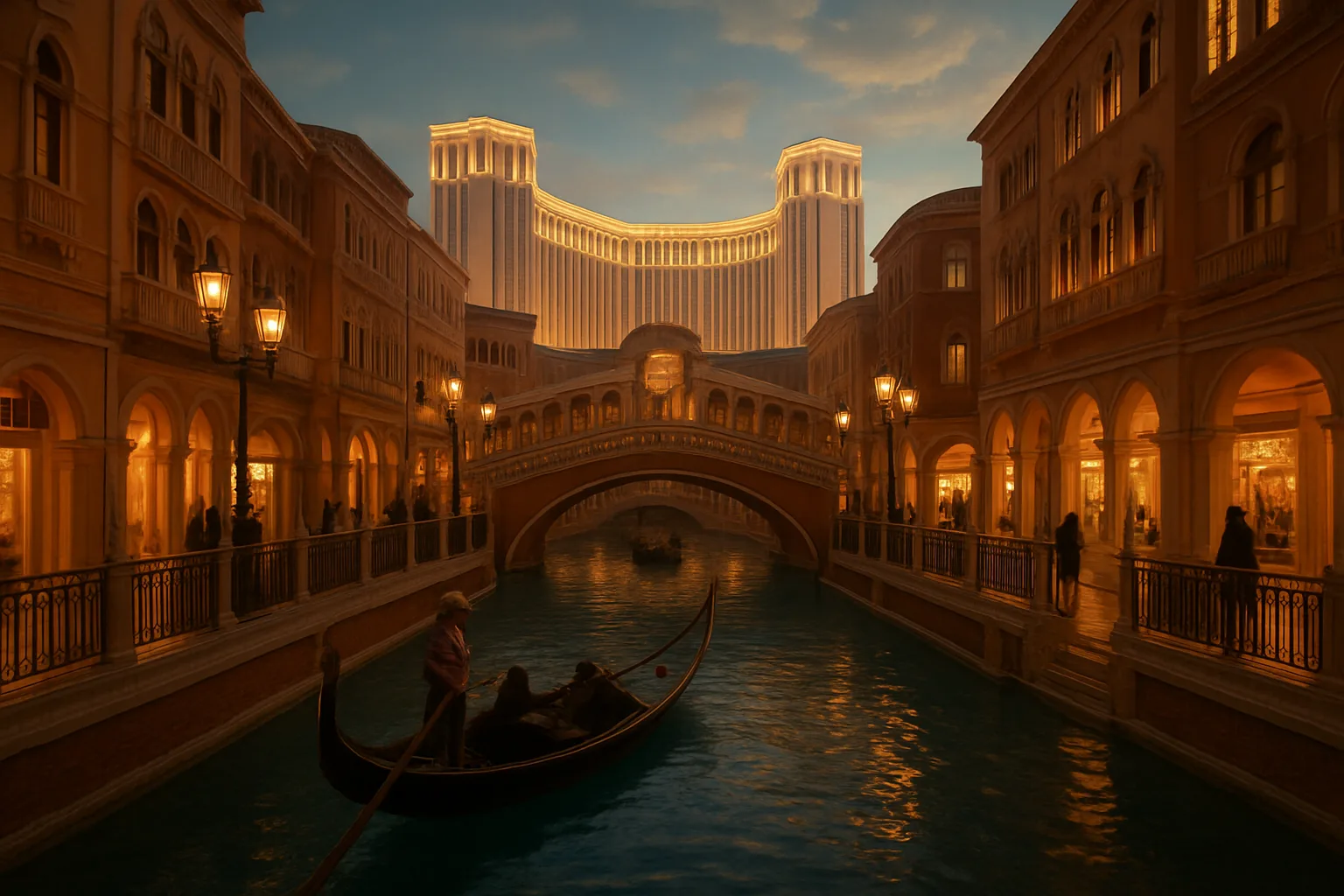
The core of the resort’s theming is the Grand Canal Shoppes, a retail arcade wrapped around an indoor waterway. Three canals thread the upper levels, with gondolas gliding under bridges and past façades that echo Venetian houses and arcades. Gondoliers in striped shirts pole the boats beneath a painted dusk sky, singing snatches of Italian standards as they go.
A gondola ride is a short, staged experience rather than a form of transport, but it’s worth doing once if only to see the resort from the waterline and to use the canals as orientation points. The walkways along the canal link roughly 350 shops, cafés and restaurants; they’re where most visitors spend non‑gaming time and they help break the building into more manageable “neighborhoods.”
St. Mark’s Square has its own indoor version here, hosting small performances and occasional light shows. The overall effect is theatrical and a little kitsch, but it’s executed with enough detail and budget that even repeat visitors still tend to stop for photos.
The gaming floor: scale, slots and tables
By most published figures, The Venetian Macao’s casino covers around 550,000 square feet on a single continuous level, making it one of the largest gaming floors in the world. The hall is subdivided into themed zones such as Golden Fish, Imperial House, Red Dragon and Phoenix, but in practice you’ll notice the scale more than the boundaries: wide aisles, long rows of tables and slot machines, and very few solid walls.
Macau is a table‑game market first, and the layout reflects that. Mass‑market baccarat pits dominate the floor, with scoreboards tracking recent hands and crowds clustering around busy tables most evenings. Blackjack, roulette, sic bo and Caribbean‑style stud games are available, but they occupy less space than baccarat. Slots run from simple three‑reel titles to modern video machines, with a strong bias toward Chinese and pan‑Asian themes alongside familiar international brands.
Minimum bets vary by zone and time of day, and they change over time as the operator adjusts supply. Treat any exact figure you’ve seen online as a snapshot. A practical habit is to walk the floor once before you sit down: you’ll quickly spot which pits are busiest, where the lower minimums sit, and which sections feel comfortable for your stake size.
High‑limit and VIP salons sit behind frosted glass and guarded doors at the edges of the main floor. Access usually requires a player account and, in some cases, a host’s introduction. If you’re not a high roller you’ll mostly see these rooms from the outside, but their presence does affect atmosphere: when high‑limit areas are busy, the mass floor often feels slightly calmer because some of the biggest action has moved offstage.
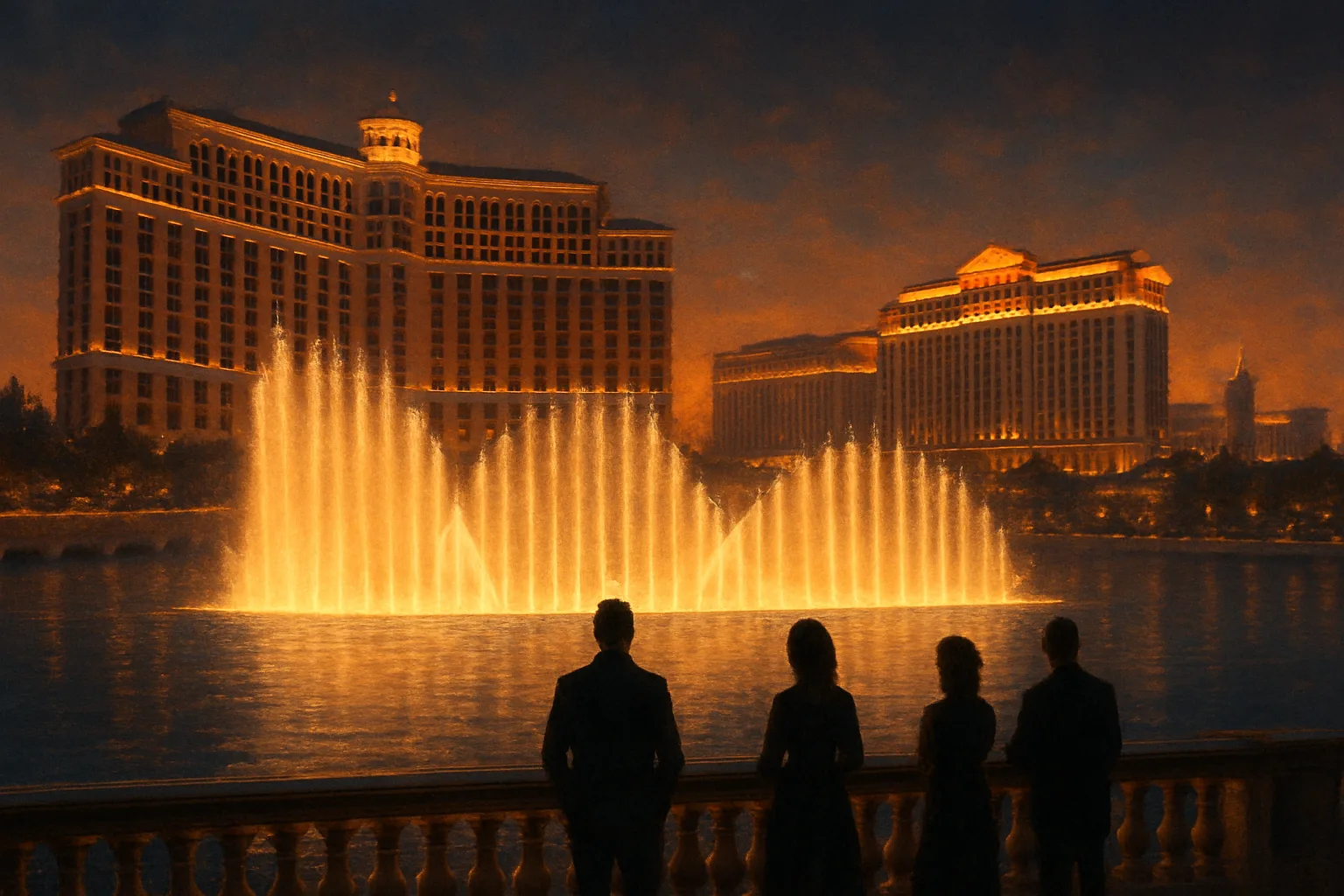
For readers who know Las Vegas well, a useful mental comparison is the Bellagio Las Vegas casino. The Venetian Macao’s floor is significantly larger and more table‑heavy, but both share a focus on baccarat, well‑marked high‑limit areas and an attempt to balance spectacle with serious play.
The poker room: cash games, tournaments and practicalities
Poker is a smaller part of Macau’s gaming economy than baccarat, yet The Venetian Macao hosts one of the territory’s more consistent rooms. The venue has carried international branding in the past and more recently has operated under Sands’ own poker identity, but the core offer has remained stable: regular cash games supplemented by scheduled tournament series.
The room feels more like a compact event venue than a tucked‑away back room. Tables are arranged in clean rows, lighting is bright rather than moody, and the desk staff tend to be bilingual or trilingual. No‑limit hold’em is the staple, with low‑ to mid‑stakes cash games running most afternoons and evenings. Higher limits and occasional mixed games appear when demand is there.
Tournament schedules change with the calendar, and buy‑ins can vary widely between daily events and multi‑day festivals. If you’re planning a trip around a specific series, it’s wise to check the current schedule with the poker desk or the resort’s official channels before you book flights.
A few practical poker habits help the visit go smoothly:
- Register early for popular tournaments and satellites; fields can swell quickly around major regional holidays and festival weeks.
- Bring your passport for player registration and any cash‑out procedures; ID checks are routine and photocopies won’t do.
- Expect waiting lists for the softest cash games in the evening; arriving in mid‑afternoon often means a shorter wait and more choice of table.
- Ask about the current rake structure and local tipping etiquette when you register, as practices differ between rooms and can change over time.
For many visitors, the poker room is where Macau’s intensity meets a surprisingly international crowd; showing up prepared turns that energy into a genuine edge rather than a distraction.
Staying on‑site: suites, food and Cotai logistics
One of The Venetian Macao’s selling points is that every room in the main hotel tower is a suite. Layouts vary, but most offer a separate sunken living area and more space than a typical city hotel room, which matters if you’re sharing with friends or want downtime between long sessions. The number of suites sits around the 3,000 mark, so availability is usually good outside peak holidays.
Dining follows the same "everything under one roof" philosophy. Food courts serve late‑night bowls of noodles and congee, while sit‑down restaurants cover Cantonese, broader Chinese regional cuisines, Japanese, Italian and Western steakhouse styles. It’s entirely possible to eat every meal on‑site without repeating a restaurant unless you choose to.
Entertainment extends beyond the casino and canal. A 15,000‑seat arena hosts concerts and sporting events, and the retail space runs to well over a million square feet of shops ranging from luxury brands to everyday fashion. Combined, they make The Venetian a practical base even for non‑gambling companions.
The resort sits in the middle of Cotai, the reclaimed strip of land between Taipa and the Macau peninsula. Macau International Airport is a short taxi ride away, and the major ferry terminals on Taipa and the peninsula are linked by frequent shuttle buses. Travelers from Hong Kong can arrive by ferry or via the Hong Kong–Zhuhai–Macau Bridge bus services, then connect to The Venetian’s shuttles or take a taxi.
Nearby integrated resorts such as City of Dreams, Wynn Palace and MGM Cotai cluster within a few minutes’ drive or a short walk, providing alternative gaming floors and dining options if you want a change of scene without leaving Cotai.
Rules, etiquette and timing your play
Macau sets a minimum gambling age of 21, and casinos enforce it. Expect your ID to be checked at the entrances and occasionally at tables; carrying your passport is non‑negotiable if you plan to play or register for poker tournaments.
Macau pataca (MOP) is the official currency, but Hong Kong dollars (HKD) are widely accepted in casinos and most shops at a near‑par rate. Having some local cash is useful for taxis and small purchases, while cards and mobile payments cover most larger bills.
Dress on the mass floor is generally smart casual. You’ll see jeans, polo shirts and trainers alongside more formal outfits, especially in the evenings. High‑limit salons lean neater; shorts and flip‑flops are unlikely to be welcomed there even if nobody stops you on the main floor.
Smoking rules have tightened over the years, but designated smoking lounges and areas still exist on the casino floor. If you prefer a completely smoke‑free environment, ask staff to point you toward non‑smoking sections or tables.
Crowds ebb and flow with the calendar. Weekends, Chinese New Year, Golden Week in early October and major regional events are the busiest periods, when minimums tend to rise and both baccarat pits and the poker room feel intense. Weekday mornings and shoulder seasons are calmer, with more choice of stakes and a noticeably slower pace.
For readers still weighing whether it’s worth making the trip at all, our broader explainer on land‑based vs online casinos sets out how a destination like Macau compares with staying home and playing on a screen.
Is The Venetian Macao right for you?
The Venetian Macao suits players and visitors who want a full‑scale resort experience where gaming, food, shopping and spectacle all share the same roof. If you enjoy having a busy poker room downstairs, a baccarat pit that rarely sleeps and an indoor canal a few escalators away, the property delivers that mix better than most.
If your ideal casino trip is built around heritage architecture or a quieter, more intimate floor, older properties on the Macau peninsula or classic European houses of chance will likely feel closer to your taste. But if you’re looking for one address in Asia where you can play serious games, stay in a large suite, keep non‑gambling companions entertained and still grab a bowl of noodles at three in the morning, The Venetian Macao remains a pragmatic and memorable choice.
Plan your visit around the calendar and the poker schedule, give yourself at least one evening just to walk and watch before you sit down, and use the canals and retail "streets" as landmarks rather than distractions. The resort is built for long stays and multiple sessions; understanding its scale is the first step to making that work in your favor.